About Nanritam

Service to Man is service to God

Almost two decades ago a group of philanthropists united under the name Nanritam [नानृतं] or The Truth at Barandanga. Some of them were doctors, specialising in ophthalmology. And the poor healthcare facilities of this remote pocket became their immediate cause of concern. Hence Nanritam began its journey with weekend eye camps for the invisible population of Barandanga and its neighbouring villages desperately grappling with poverty. Back then the villagers had to travel all the way to Asansol, the nearest town, for minimal diagnosis and treatment which they could ill afford. The eye camps grew into a tiny 6-bedded hospital called Lokeswarananda Eye Foundation facilitating cataract surgeries. In 2012, the Government of West Bengal supported this hospital and helped it scale up into a 100 bedded super speciality referral eye hospital.

Lokeswarananda Eye Foundation
Filix School
Education for All
Krishi Kendra
75%
of households in Para block are deprived, out of roughly 2.5 lac people.

For a decade, Nanritam worked closely with this geographically and socio-economically challenged rural community. Out of approximately 2.5 lac population of Para block more than 75% of the households are deprived. Consequently, in terms of the economics of social spaces both education and health status projected a grim picture. Women, the major bread-earners, still remained illiterate. The primary source of income mostly through ill paid unskilled labour, both in farm and non-farm sectors. The grossly marginalised socio-economic infrastructure demanded a redressal in the form of a school disseminating quality education. Given the link between job opportunities, economic success and the English language, it was decided that the medium of instruction would be English. The founders had already noted that even illiterate parents attempted to do whatever possible to provide their children with English medium education, often of uncertain quality, because they estimated that education acts as a vehicle of social mobility and a means to break out of the vicious cycle of poverty.

VISION

Our vision is to see the underprivileged in remote and neglected areas live healthy, purposeful and active life – a life they can command themselves, free of the shackles of poverty, ill-health and illiteracy.

APPROACH
  • Inclusive Growth
  • Holistic approach to development
  • Transparency as integral part of all activities
Mission

Our mission is to render holistic support to all underprivileged irrespective of gender, class, creed or religion by creating

  • A state-of-art eye-care system that can run by trained community members and become a community asset
  • Skill training with employment linkages for the youth
  • Create livelihood interventions that are relevant to the local context
  • Care for infants and children with special needs
  • A system of quality education for rural children as a part of community development
Core Values

Inclusive Growth Holistic approach to development Transparency as integral part of all activities.

100
beds at the super speciality eye hospital
50,000
children given educational support
1,200
teachers trained
1,000
children given a nutritional breakfast every day

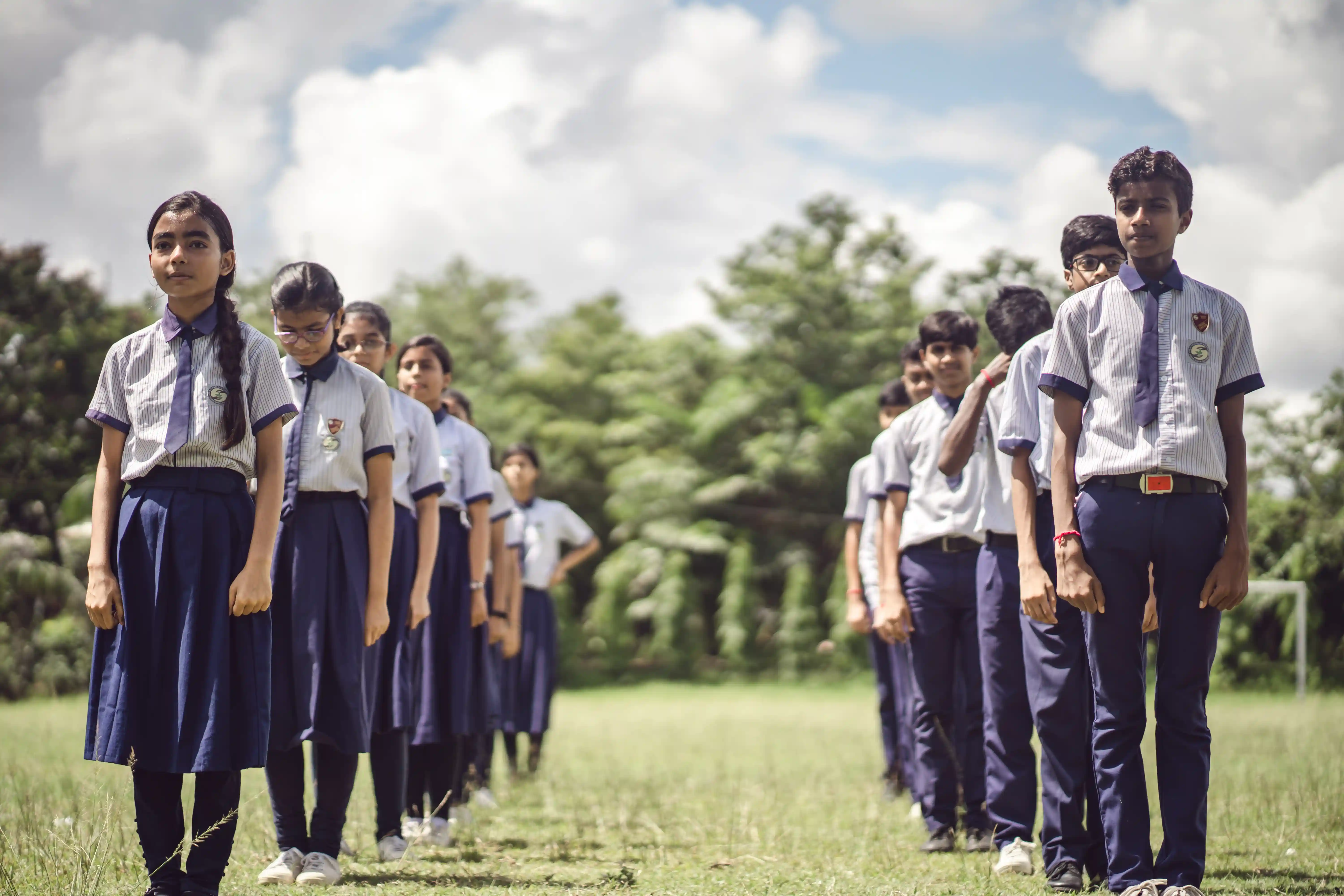
Starting its journey with Kindergarten classes, Filix is now a full fleged CBSE school till Grade 10, waiting for its higher secondary section in the next academic session.

Covid struck in March 2020. The medical team from Lokeswarananda Eye Foundation and Filix School (comprising teachers and staff) engaged themselves in distribution of relief to the marginalised communities. Distribution of food, telemedicine facilities, oxygen club were some of the strategies which acted as a lifeline in the turbulent times. Relief operations spread to the neighbouring districts of Bankura, East and West Medinipur and North 24 Parganas as well.

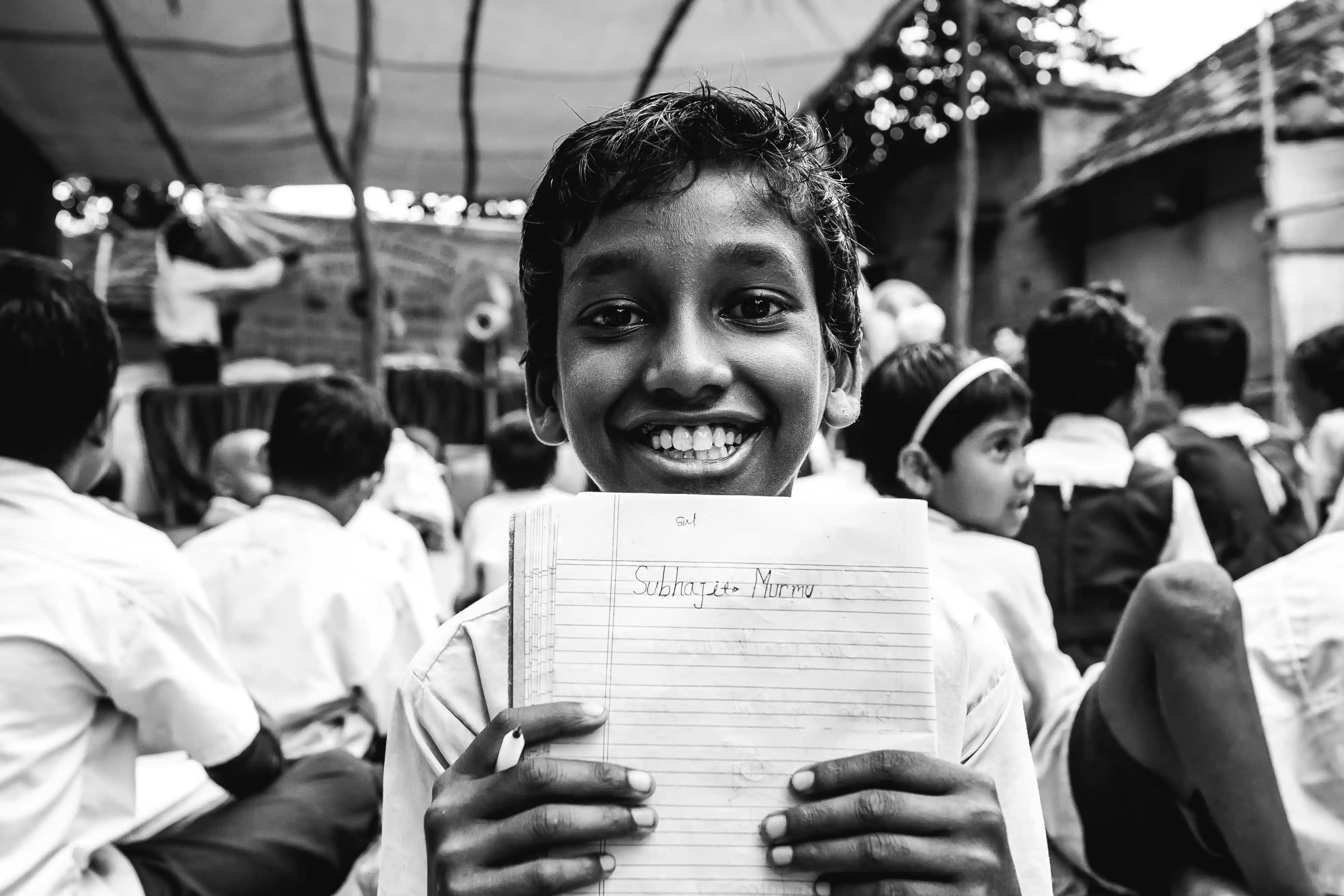
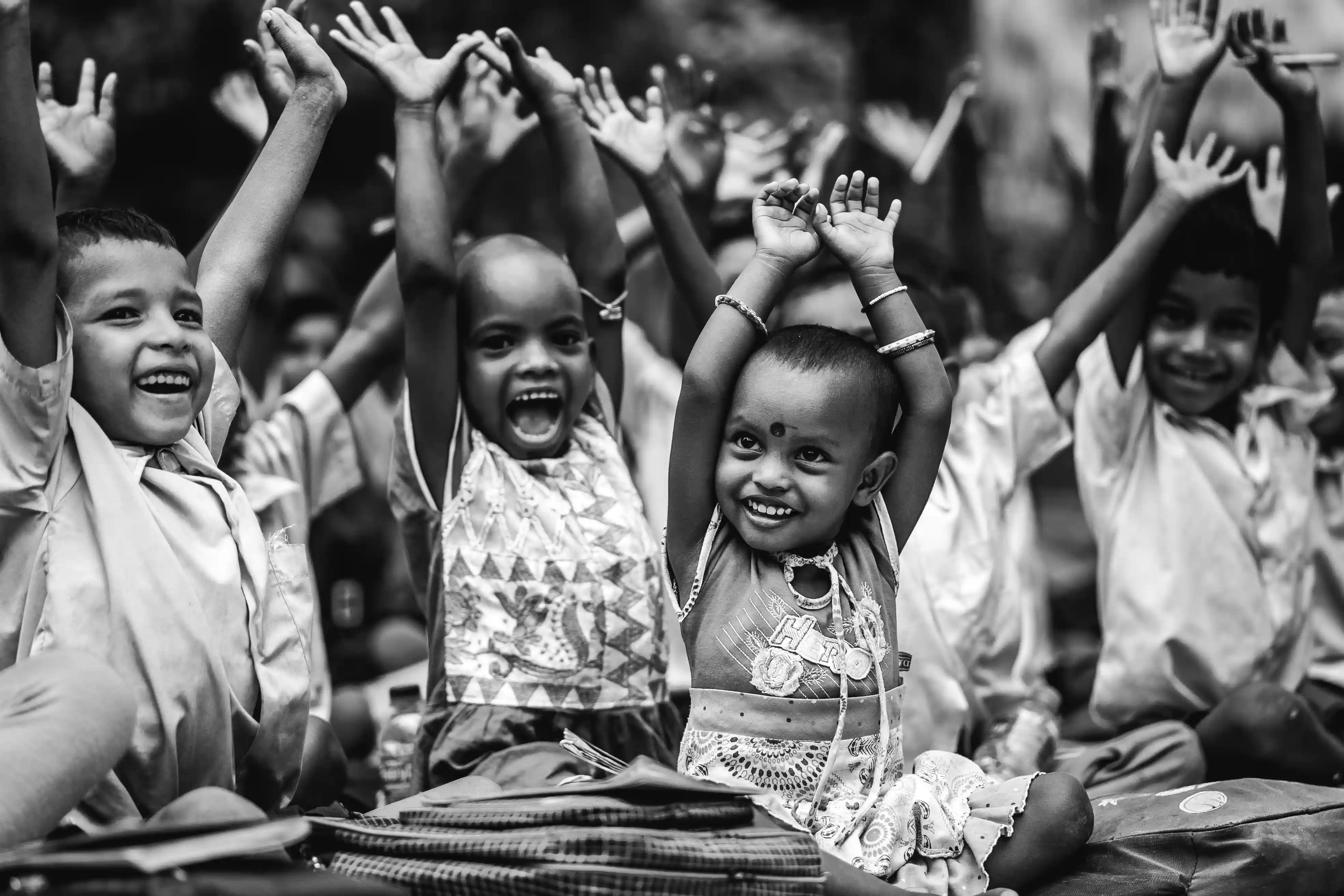
While distributing relief through the network of local schools, the Filix team interacted closely with community teachers. This coming together of teachers from various corners of West Bengal, who would not have met otherwise, opened up interactions on how to bring students back to schools and learning centres and re-engage them in mainstream education. These discussions matured into a concerted effort to find ways to confront the learning poverty among children which would be no lesser than an intellectual pandemic. And, Education for All, an outreach programmer was born which at present provides educational support to 50000 children and training support to 1200 teachers. Moreover, the Nutri-ed programme closely associated with Education for All promotes zero hunger in classrooms and provides nutritional breakfast everyday to 1000 children visiting the Education for All centres.

Donate Now